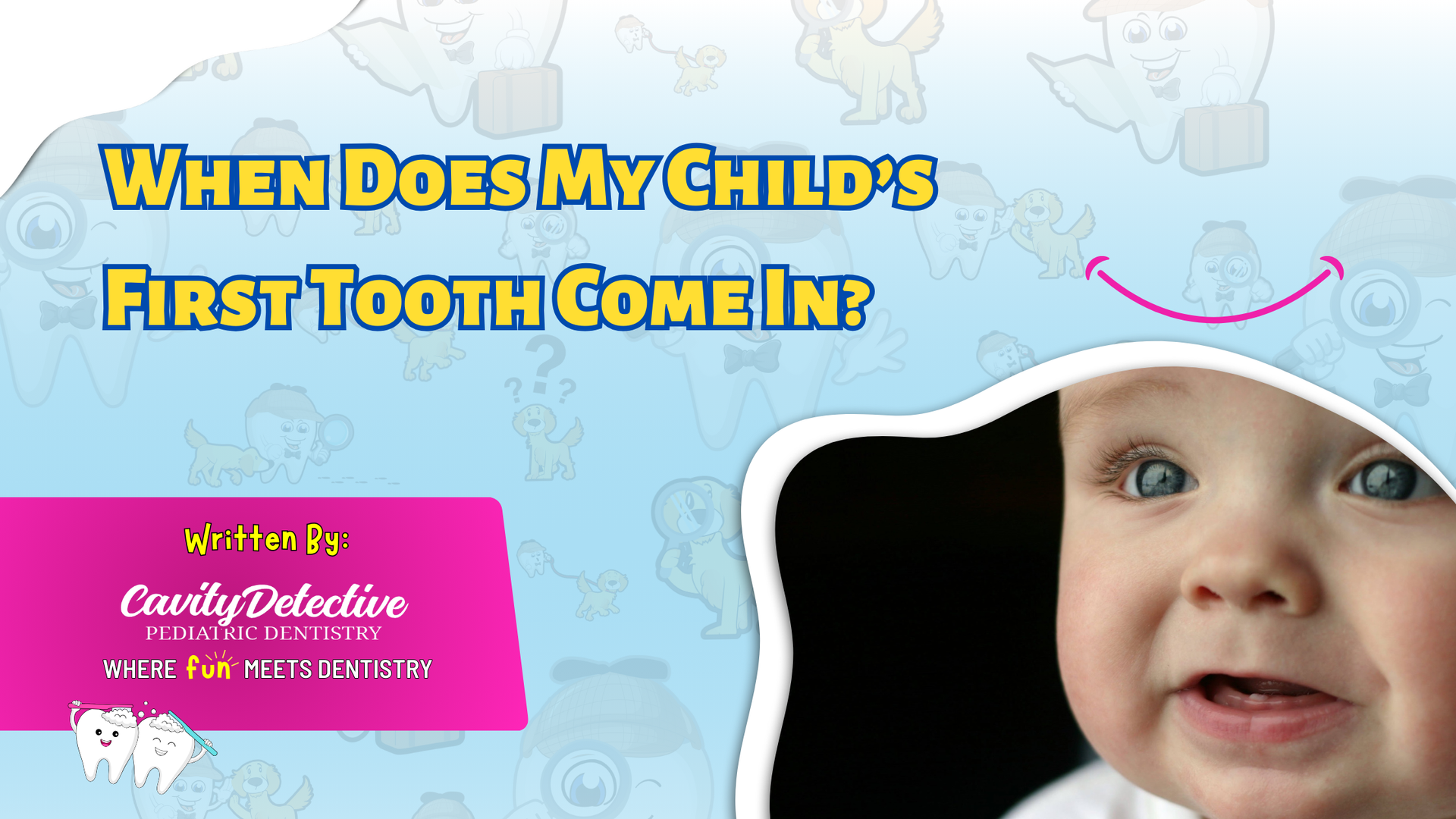
When Does My Child’s First Tooth Come In?
Source: Dr. Marketing
One of the most exciting milestones in your baby’s development is the arrival of their first tooth! As a parent, you may be wondering when to expect this big event and how to care for your little one’s new teeth. Understanding the teething timeline and proper oral care can help ensure a lifetime of healthy smiles.
When Will My Baby’s First Tooth Erupt?

Most babies get their first tooth around six months of age, though the timing can vary. Some may see their first tooth as early as four months, while others may not have any until their first birthday. Generally, the lower central incisors (bottom front teeth) are the first to appear, followed by the upper central incisors (top front teeth).
The Typical Teething Timeline
- 4 to 7 months: The first teeth (lower central incisors) begin to emerge.
- 8 to 12 months: Upper central incisors appear.
- 9 to 16 months: Lateral incisors (next to the central incisors) come in.
- 13 to 19 months: First molars erupt.
- 16 to 23 months: Canines (pointed teeth) emerge.
- 23 to 33 months: Second molars come in, completing the set of 20 primary teeth.
Signs of Teething

Every baby experiences teething differently, but some common signs include:
- Increased drooling
- Irritability or fussiness
- Swollen or tender gums
- Chewing on objects
- Changes in eating or sleeping patterns
To help soothe teething discomfort, offer a clean, chilled teething ring, gently massage the gums with a clean finger, or provide a cold, damp washcloth for your baby to chew on.
Caring for Your Baby’s First Tooth

- Begin brushing as soon as the first tooth appears using a soft-bristled infant toothbrush and a tiny smear of fluoride toothpaste (about the size of a grain of rice).
- Avoid putting your baby to bed with a bottle, as this can lead to early childhood cavities.
- Schedule your child’s first dental visit by their first birthday or within six months of the first tooth erupting, as recommended by the American Academy of Pediatric Dentistry (AAPD).
Establishing a Healthy Dental Routine
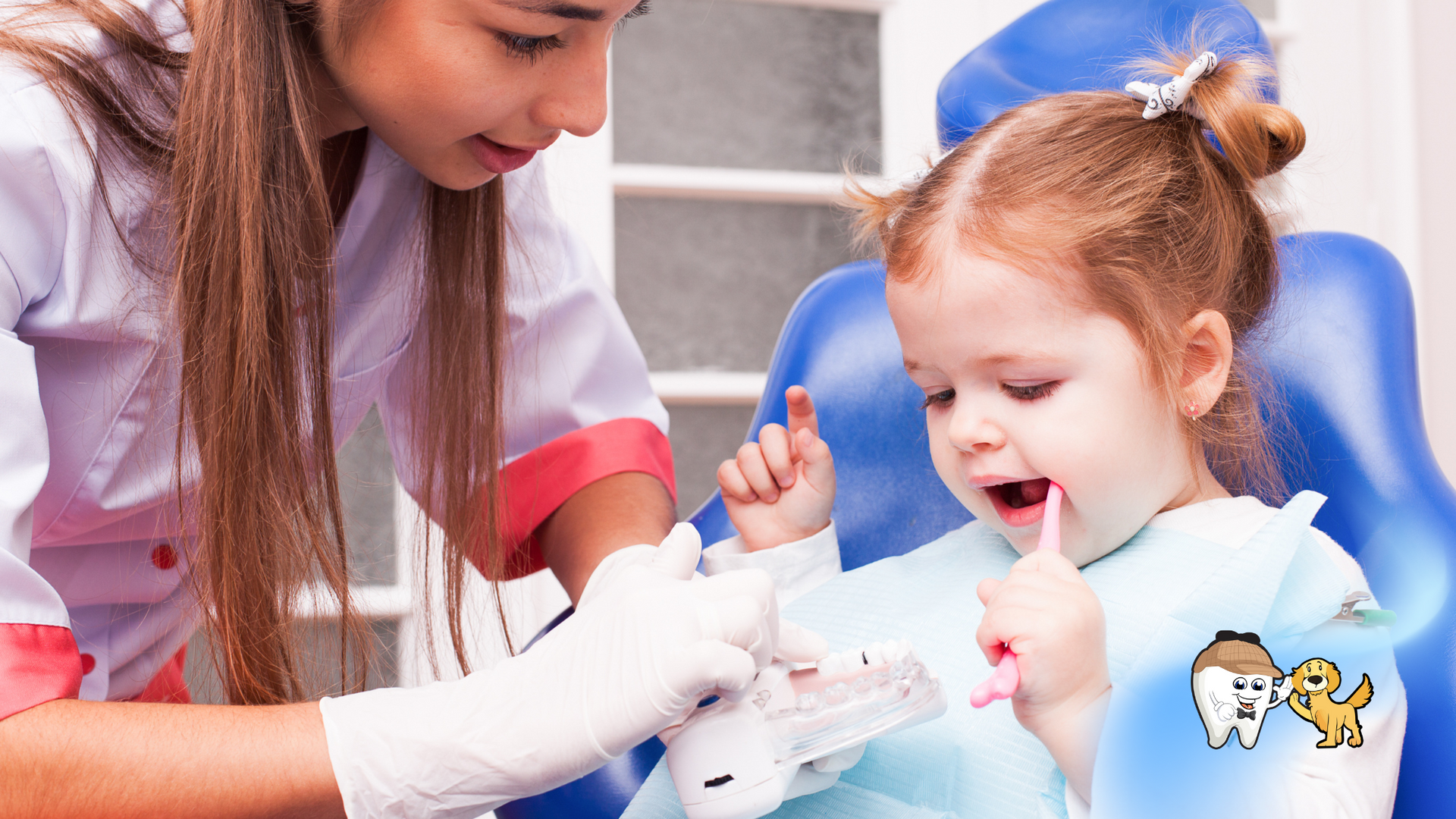
Starting oral care early sets the foundation for a lifetime of good dental habits. Regular dental visits, a healthy diet, and proper brushing techniques will help keep your child’s smile bright and cavity-free.
If your baby is teething or you have concerns about their dental development, contact our pediatric dental office for expert guidance and support. We’re here to help your little one achieve a lifetime of healthy smiles!
Share This Post
Thank You For Choosing Us