Why Are My Child’s Teeth Yellow? Understanding Tooth Color in Children
As parents, we want our children to have healthy, beautiful smiles. So when you notice that your child’s teeth look yellow, you might wonder whether something is wrong.
One of the most common questions we hear at Cavity Detective Pediatric Dentistry is: “Why are my child’s permanent teeth so much more yellow than their baby teeth?”
The good news is that yellow teeth are not always a sign of poor oral hygiene or tooth decay. Here are common reasons, when to be concerned, and how to keep those little smiles healthy.
1. Permanent Teeth Are Naturally More Yellow Than Baby Teeth
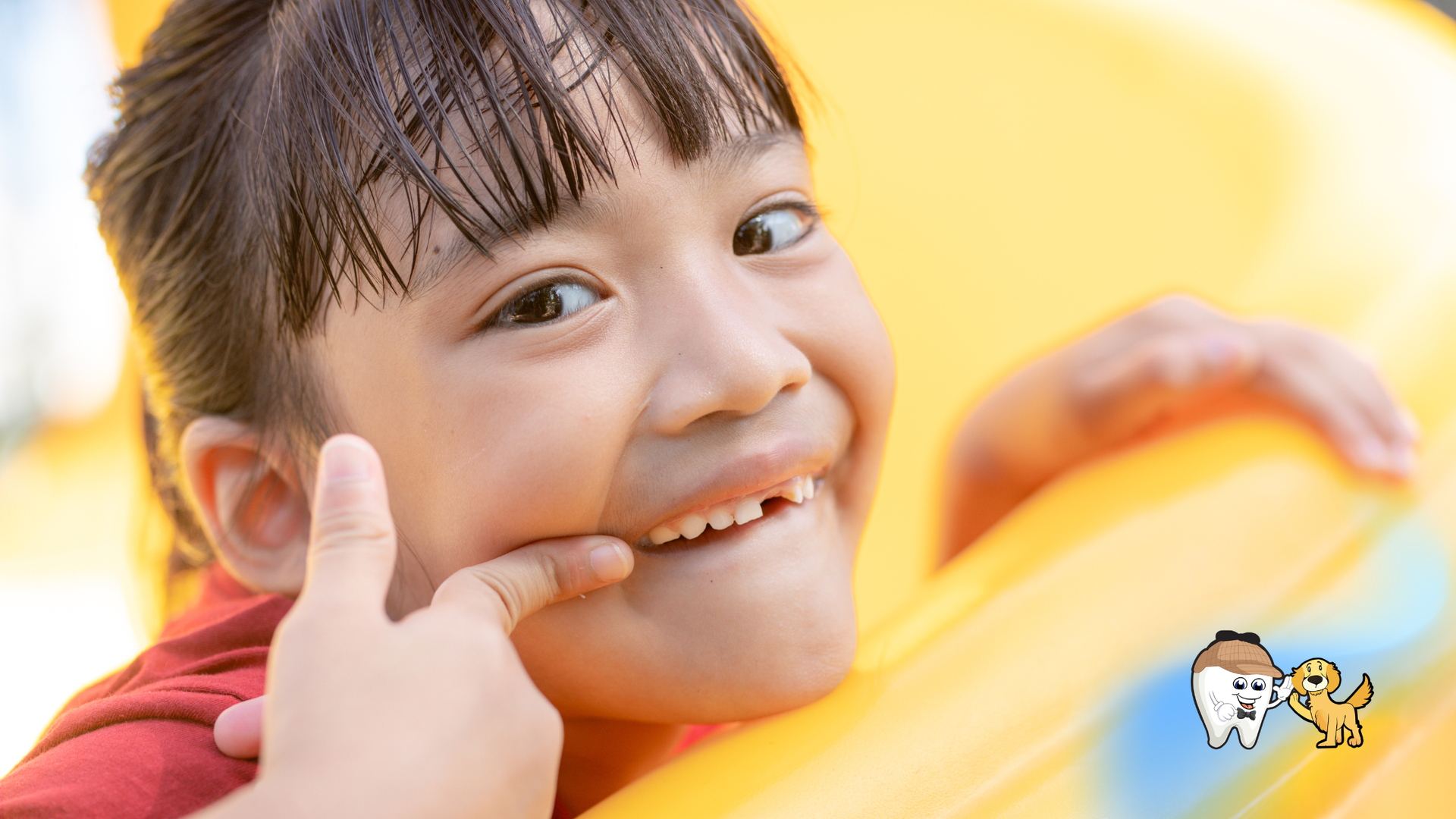
When the first permanent teeth erupt, usually around ages 6–7, they may look noticeably yellower than the surrounding baby teeth. This is completely normal. Baby teeth generally look whiter and more opaque. Permanent enamel is somewhat translucent, allowing the naturally yellowish dentin underneath to influence tooth color. The contrast is especially noticeable during mixed dentition, when both types of teeth are present.
Cavity Detective Tip: Slightly yellow new permanent front teeth are often a normal part of dental development.
2. Plaque Buildup Can Make Teeth Look Yellow
Plaque is a sticky film of bacteria that continually forms on teeth. When it is not removed, teeth can appear dull or yellow. Children are still developing brushing skills, so plaque commonly accumulates along the gumline, behind lower front teeth, around braces, between teeth, and on back molars. Plaque can harden into tartar, which requires professional removal.
Help your child brush twice daily for two minutes with fluoride toothpaste. Many children need assistance or supervision until about ages 7–8, sometimes longer.
3. Foods and Drinks Can Stain Teeth

Dark sodas, tea, sports drinks, colored candies, berries, and strongly pigmented foods may contribute to surface stains. Acidic beverages can also erode enamel over time, making yellow dentin more visible. Cavity Detective Tip: Encourage water throughout the day and after meals or snacks.
4. Enamel Developmental Defects Can Affect Color
Enamel Hypoplasia
When less enamel than normal forms, teeth may show yellow or brown areas, pits, grooves, sensitivity, or an increased risk of decay.
Enamel Hypomineralization
When enamel has reduced mineral quality, it may have white, cream, yellow, or brown patches. Molar-incisor hypomineralization (MIH) can affect first permanent molars and incisors, causing sensitivity and enamel breakdown.
A pediatric dentist may recommend fluoride varnish, protective restorations, or other individualized care.
5. Dental Trauma Can Cause Discoloration

A fall or sports injury can damage tissues inside a tooth. The tooth may later turn yellow, gray, brown, or dark. Yellow discoloration in a baby tooth sometimes results from calcification within the pulp chamber, called pulp canal obliteration. Other changes can indicate internal bleeding or pulp damage. Not every discolored tooth needs treatment, but any color change after an injury deserves an examination—even without pain.
6. Tooth Decay Can Cause Yellow or Brown Spots
Early decay often appears as chalky white enamel demineralization. As it progresses, spots can become yellow, brown, or black. Watch for new spots, rough or pitted surfaces, holes, sensitivity, pain, or food getting trapped. Not every stain is a cavity; an exam can distinguish the causes.
7. Genetics Influence Natural Tooth Color

Genetics influence enamel and dentin characteristics. Some children naturally have more yellow-looking teeth despite excellent brushing. Healthy teeth do not have to be perfectly white.
8. Fluoride Exposure and Certain Medications
Dental Fluorosis
Excess fluoride intake while permanent teeth are developing can cause fluorosis. Mild cases typically show faint white markings; more severe cases can involve brown staining or enamel irregularities. Used appropriately, fluoride is safe and effective for preventing cavities.
- Under age 3: a rice-grain-sized smear of fluoride toothpaste.
- Ages 3–6: a pea-sized amount.
- Older children: an appropriate amount, with supervision as needed.
Medication-Related Discoloration
Certain medications, including tetracycline antibiotics during specific stages of tooth development, can cause intrinsic discoloration. These causes are less common than the normal contrast between baby and permanent teeth.
Should I Whiten My Child’s Yellow Teeth?

Be cautious with whitening strips, toothpastes, and bleaching products. They may cause sensitivity or gum irritation and will not correct every cause of discoloration, especially enamel defects or trauma. A pediatric dentist should assess the cause before any whitening treatment. For young children, cosmetic whitening is usually unnecessary.
How Can Parents Keep Children’s Teeth Healthy?
- Brush twice daily with fluoride toothpaste.
- Floss daily wherever neighboring teeth touch.
- Choose water often, especially after meals.
- Limit frequent sugary snacks and drinks.
- Offer nutrient-dense foods such as fruits, vegetables, dairy or fortified alternatives, lean proteins, and whole grains.
- Keep regular dental checkups.
- Avoid abrasive whitening products unless your dentist recommends them.
When Should Parents Be Concerned?
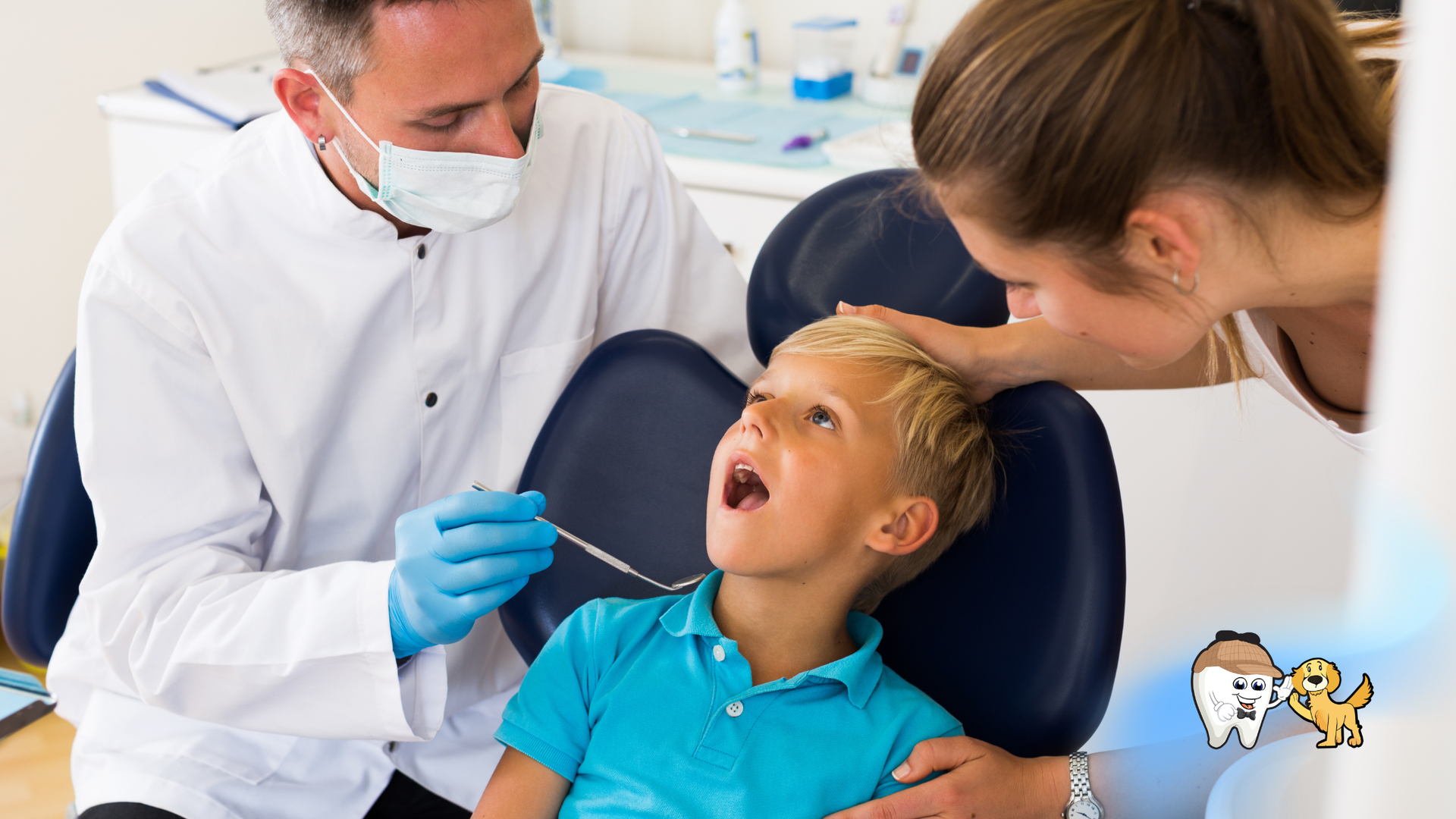
Arrange a dental visit if one tooth becomes much darker, color changes suddenly, yellow or brown spots appear with pits or rough enamel, there is pain or sensitivity, discoloration follows an injury, or enamel seems to be breaking down.
The Bottom Line: Yellow Teeth Can Still Be Healthy Teeth!
Tooth color does not always reflect dental health. Permanent teeth are naturally more yellow than baby teeth, particularly when both are present. Although plaque, staining, enamel defects, trauma, and decay can change tooth color, many children simply have naturally yellowish permanent teeth.
At Cavity Detective Pediatric Dentistry, our goal is not a perfectly white smile—it is strong, healthy teeth that last a lifetime.
Visit Cavity Detective Pediatric Dentistry!
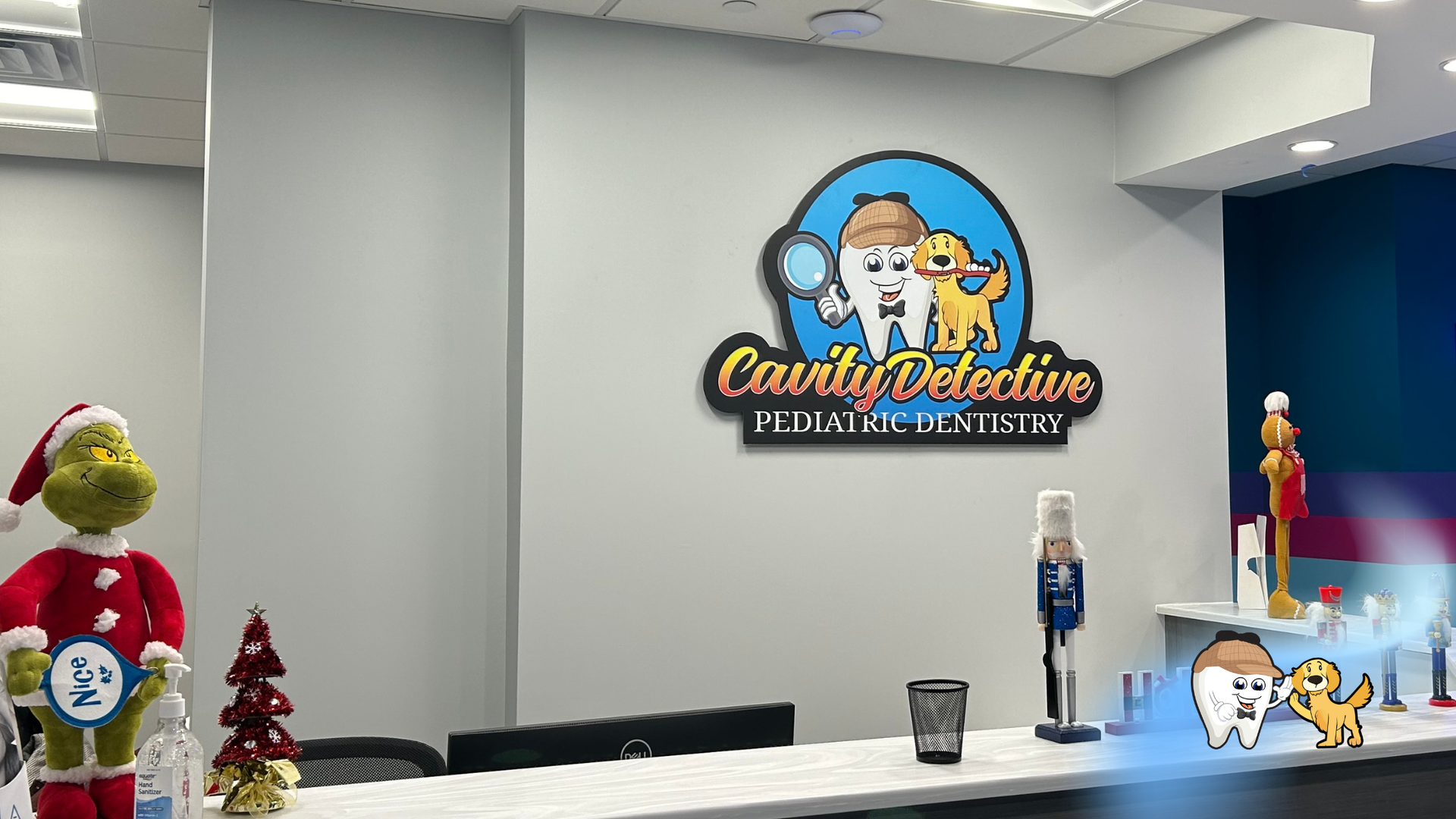
At Cavity Detective Pediatric Dentistry in Tinton Falls, New Jersey, we make dental visits fun, comfortable, and educational. Our office features arcade games, themed treatment rooms, interactive entertainment, and a welcoming atmosphere for children and families.
Have questions about tooth discoloration, permanent teeth, or preventive care? Schedule your child’s next dental appointment!
Cavity Detective Pediatric Dentistry — Where Fun Meets Dentistry!
Share This Post
Thank You For Choosing Us