Chickpea Chocolate Chip Cookies: A Healthier Sweet Treat for Kids!
Source:
Dr. Marketing
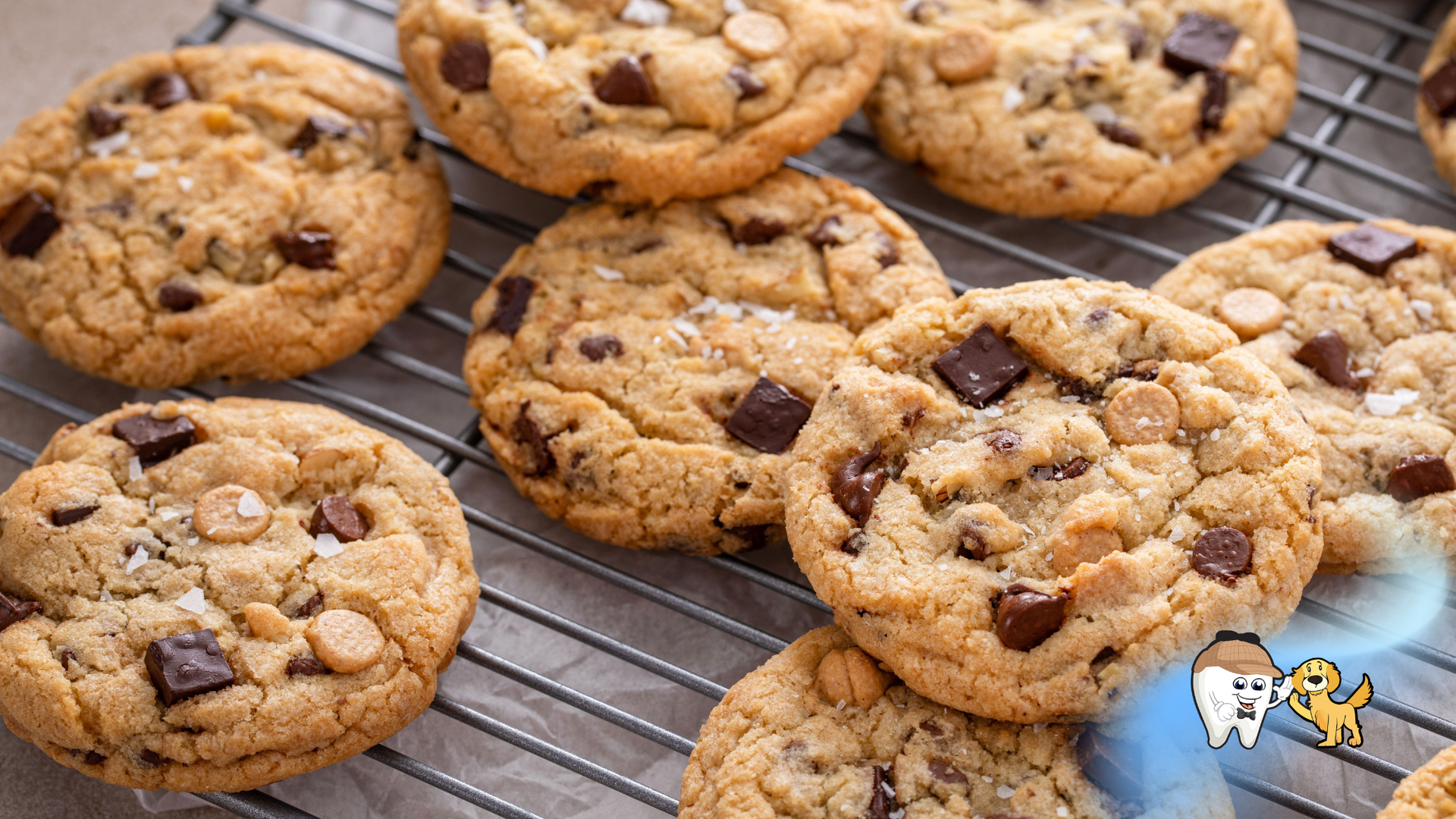
Who doesn’t love a warm, gooey chocolate chip cookie? At Cavity Detective Pediatric Dentistry, we believe children can enjoy delicious treats while learning to make healthier food choices. What if you could make chocolate chip cookies using chickpeas?
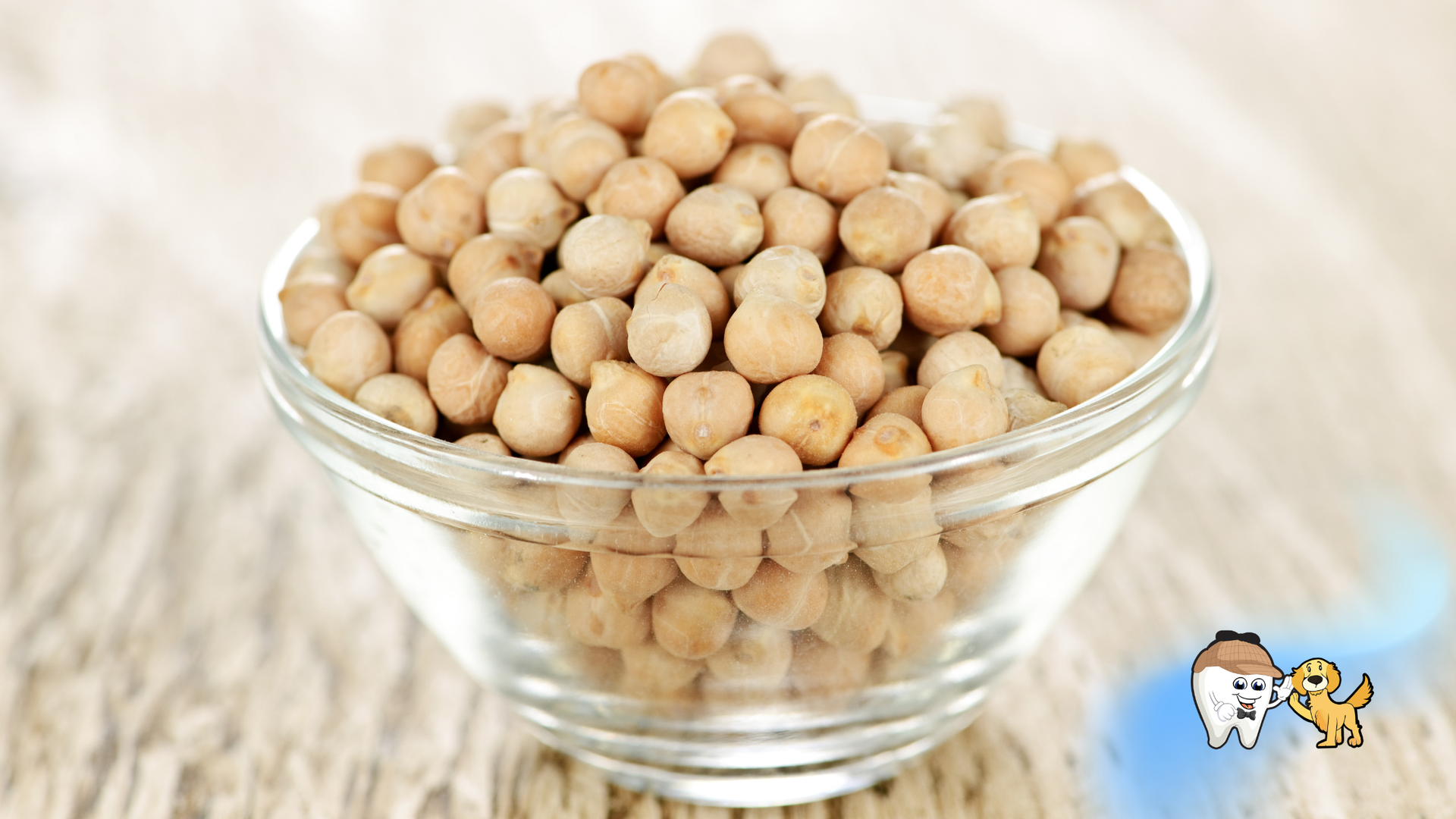
Chickpeas, also known as garbanzo beans, aren’t just for hummus. They’re packed with nutrients and can be transformed into soft, chewy chocolate chip cookies that the whole family can enjoy. These cookies can be made without refined flour or added granulated sugar!
Why Chickpeas?
Rich in Plant-Based Protein
Protein supports children’s growth and development. Chickpeas provide plant-based protein.
Excellent Source of Fiber
Chickpeas contain dietary fiber, which supports digestive health and helps make foods more satisfying.
Packed with Important Nutrients
Chickpeas contain iron, folate, magnesium, and zinc, which support growth and normal body functions.
A Nutritious Alternative to Refined Flour
Using chickpeas instead of white flour adds protein, fiber, and micronutrients. Chickpeas still contain carbohydrates, but offer more nutritional value than refined flour alone.
Cavity Detective’s Chickpea Chocolate Chip Cookie Recipe
Prep time: 10 minutes | Bake time: 12–15 minutes | Yield: approximately 12 cookies
Ingredients
- 1 can (15 oz) chickpeas, drained, rinsed, and patted dry
- ½ cup natural peanut butter (unsweetened)
- ¼ cup pure maple syrup
- 2 teaspoons vanilla extract
- ½ teaspoon baking powder
- ¼ teaspoon baking soda
- ¼ teaspoon salt
- ⅓ cup dark chocolate chips (preferably 70% cacao or higher)
- Optional: 1–2 tablespoons oat flour for a firmer texture
Instructions
- Preheat the Oven: Preheat to 350°F (175°C). Line a baking sheet with parchment paper.
- Prepare the Chickpeas: Drain and rinse thoroughly, then pat dry to remove excess moisture.
- Blend the Ingredients: In a food processor, blend chickpeas, peanut butter, maple syrup, vanilla, baking powder, baking soda, and salt until smooth. Scrape down the sides as needed.
- Add the Chocolate Chips: Transfer to a bowl and gently fold in the chocolate chips.
- Shape the Cookies: Scoop about 2 tablespoons of dough per cookie onto the baking sheet. Flatten slightly; these cookies do not spread much.
- Bake: Bake 12–15 minutes, until edges are lightly golden and cookies are set.
- Cool and Enjoy: Cool on the baking sheet for 10 minutes, then transfer to a rack. Expect a soft, slightly fudgy texture rather than a crisp cookie.
Are Chickpea Chocolate Chip Cookies Better for Your Child’s Teeth?

Chickpea cookies can offer nutritional advantages over traditional cookies, but dental considerations still matter.
Less Refined Sugar Doesn’t Mean Sugar-Free
Maple syrup still contains sugar that cavity-causing bacteria can metabolize. Thoughtful portions and eating habits matter.
Protein and Fiber Add Nutritional Value
Chickpeas and peanut butter add protein and fiber, but these nutrients do not directly prevent cavities.
Dark Chocolate Can Be a Reasonable Treat Choice
Dark chocolate often contains less added sugar than milk chocolate, depending on the product. Chocolate generally clears from the mouth more readily than sticky gummies or caramels, but is not cavity-proof.
How Often Children Snack Matters
Frequent exposure to sugars and other fermentable carbohydrates allows bacteria to produce acids repeatedly, increasing the risk of enamel demineralization.
Cavity Detective Tip: Offer cookies with a meal or planned snack instead of grazing throughout the day. Encourage water afterward.
A Few Tips for Parents
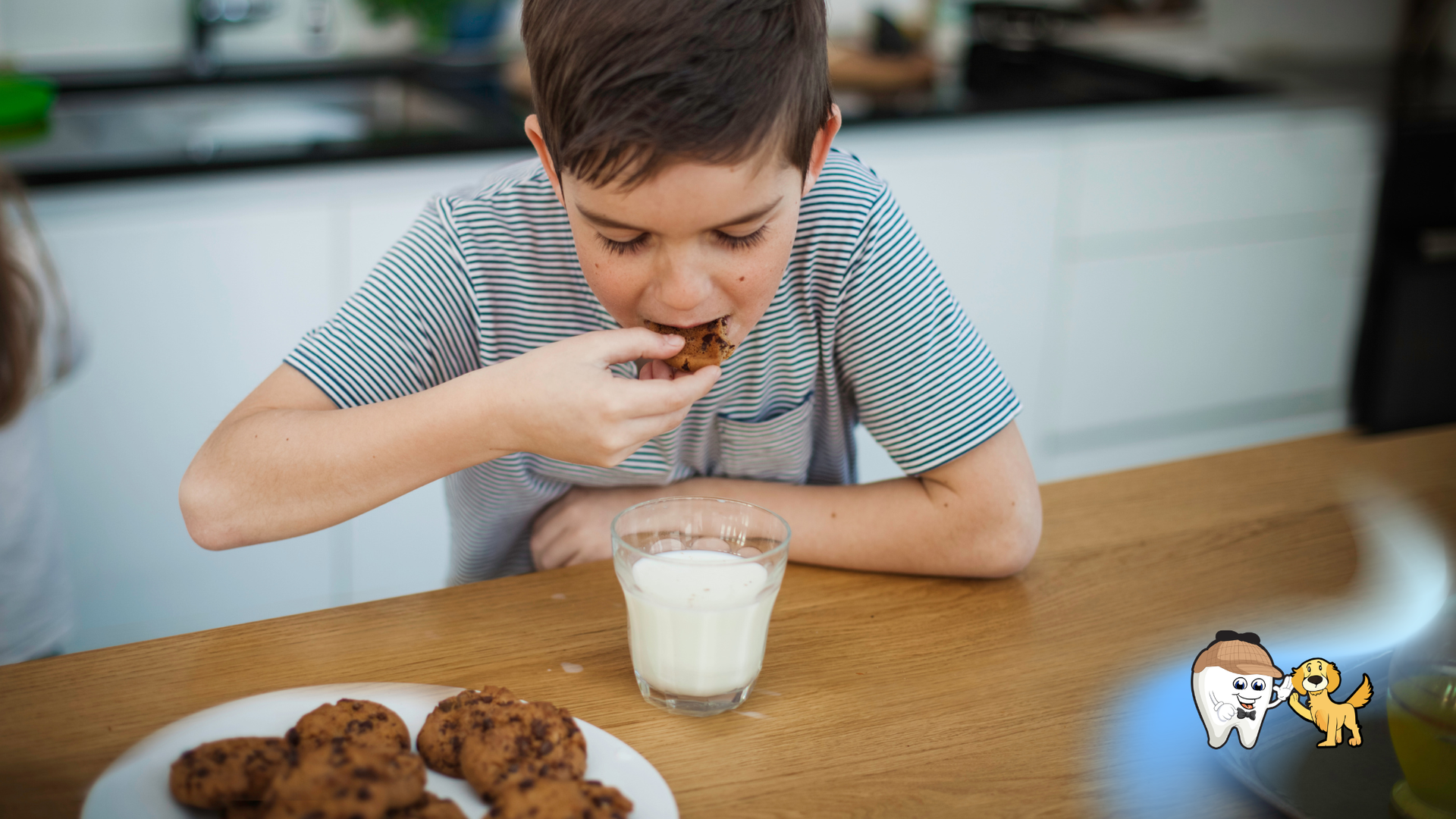
- Pair a cookie with plain milk or water instead of juice or soda.
- Choose unsweetened peanut butter to avoid unnecessary added sugars.
- Encourage whole, nutrient-dense foods such as vegetables, fruits, eggs, yogurt, beans, and lean proteins.
- Brush twice daily with fluoride toothpaste and floss where teeth touch.
- Remember that homemade cookies are still treats, even when made with nutritious ingredients.
- For peanut allergies, use a suitable seed butter alternative and check all ingredient labels.
Healthy Habits Start Early!

At Cavity Detective Pediatric Dentistry, we want children to develop healthy relationships with food while learning to care for their teeth. Chickpea chocolate chip cookies are a fun way to introduce nutrient-dense ingredients into a familiar dessert. No cookie can prevent cavities, but thoughtful choices and good oral hygiene can support healthier habits. An occasional cookie is perfectly fine!
Cavity Detective Pediatric Dentistry — Where Fun Meets Dentistry!
Located in Tinton Falls, New Jersey, our pediatric dental office provides comprehensive care for infants, children, teenagers, and young adults. We believe nutrition education and preventive dentistry help children maintain healthy smiles.
Schedule your child’s next dental visit with Cavity Detective Pediatric Dentistry!
Share This Post
Thank You For Choosing Us