Why Are My Child’s Permanent Teeth More Yellow Than Their Baby Teeth
Source:
Dr. Marketing
Your child loses a baby tooth, proudly shows off the new adult tooth coming in, and you notice something unexpected: the new tooth looks more yellow than the little white teeth beside it.
Does it need more brushing? Is something wrong?
In most cases, this color difference is normal. Permanent teeth naturally tend to look darker or more yellow than baby teeth, especially when both are present in the same smile.
At Cavity Detective Pediatric Dentistry, we want parents to understand what is normal as their child’s smile develops—and which changes deserve a closer look.
What Gives Teeth Their Color
Teeth are made of different layers. Two of these help determine their appearance:
- Enamel: The hard outer covering of the tooth. It is slightly translucent, meaning some of the color underneath can show through.
- Dentin: The layer beneath the enamel, which naturally has a yellowish color.
A tooth’s appearance depends on how these layers interact with light. Permanent teeth have a different enamel-and-dentin structure than baby teeth, giving them a naturally warmer shade.
A healthy tooth does not have to be bright white. A slight yellow tone can be part of its natural color.
Why Is the Difference So Noticeable Right Now
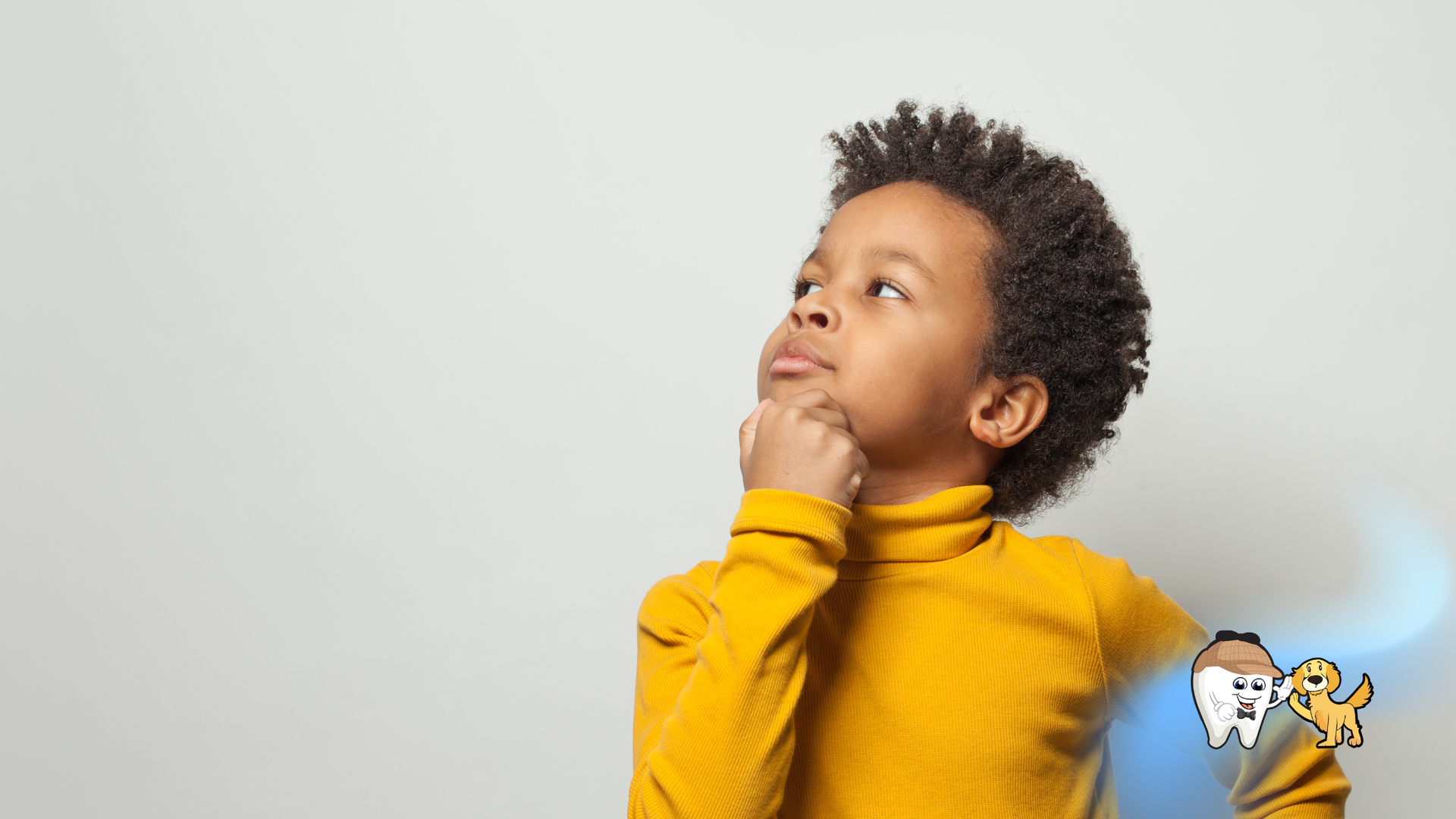
Baby teeth often look milky white. When a permanent front tooth comes in beside them, the contrast can make that new tooth look especially yellow.
During this stage, called mixed dentition, your child has both baby teeth and permanent teeth.
Think of placing an ivory shirt next to a bright white shirt: the ivory looks darker because of what is beside it.
As more baby teeth fall out and permanent teeth come in, the color difference usually becomes less noticeable. That does not mean the adult teeth turn whiter—the bright white baby teeth are no longer beside them for comparison.
Does Yellow Mean My Child Is Not Brushing Well
Not necessarily. Natural tooth color and cleanliness are different things.
Brushing and flossing help remove plaque and keep teeth healthy. They do not change the natural color inside a tooth. Surface stains can also affect appearance, and your dentist can help distinguish those stains from normal tooth color.
Avoid telling your child to scrub harder to make their teeth white. Gentle, thorough cleaning is the goal—not changing a healthy tooth’s natural shade.
When Should Parents Have Discoloration Checked
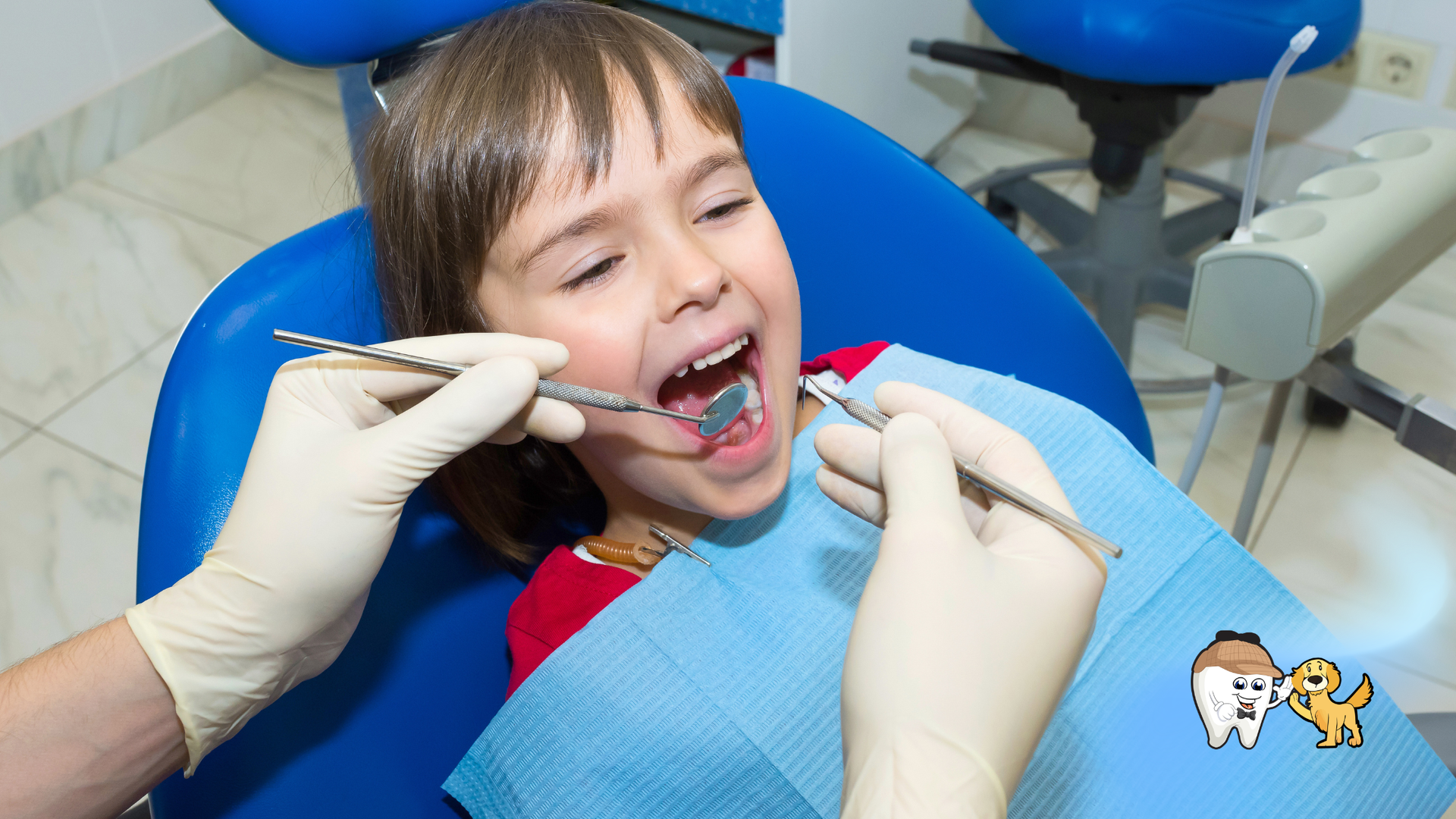
An even, slightly yellow shade across newly erupted permanent teeth is often normal. However, arrange a dental evaluation if you notice:
- One tooth becoming much darker than neighboring teeth.
- A tooth changing color after a fall or injury.
- Distinct white, yellow, or brown patches, rather than a uniform shade.
- Pain, sensitivity, or visible damage along with the color change.
These changes do not all have the same cause. An examination helps determine whether your child has a normal color variation, staining, decay, or another concern.
A tooth that changes color after an injury should be checked even if it does not hurt.
Should I Whiten My Child’s Teeth
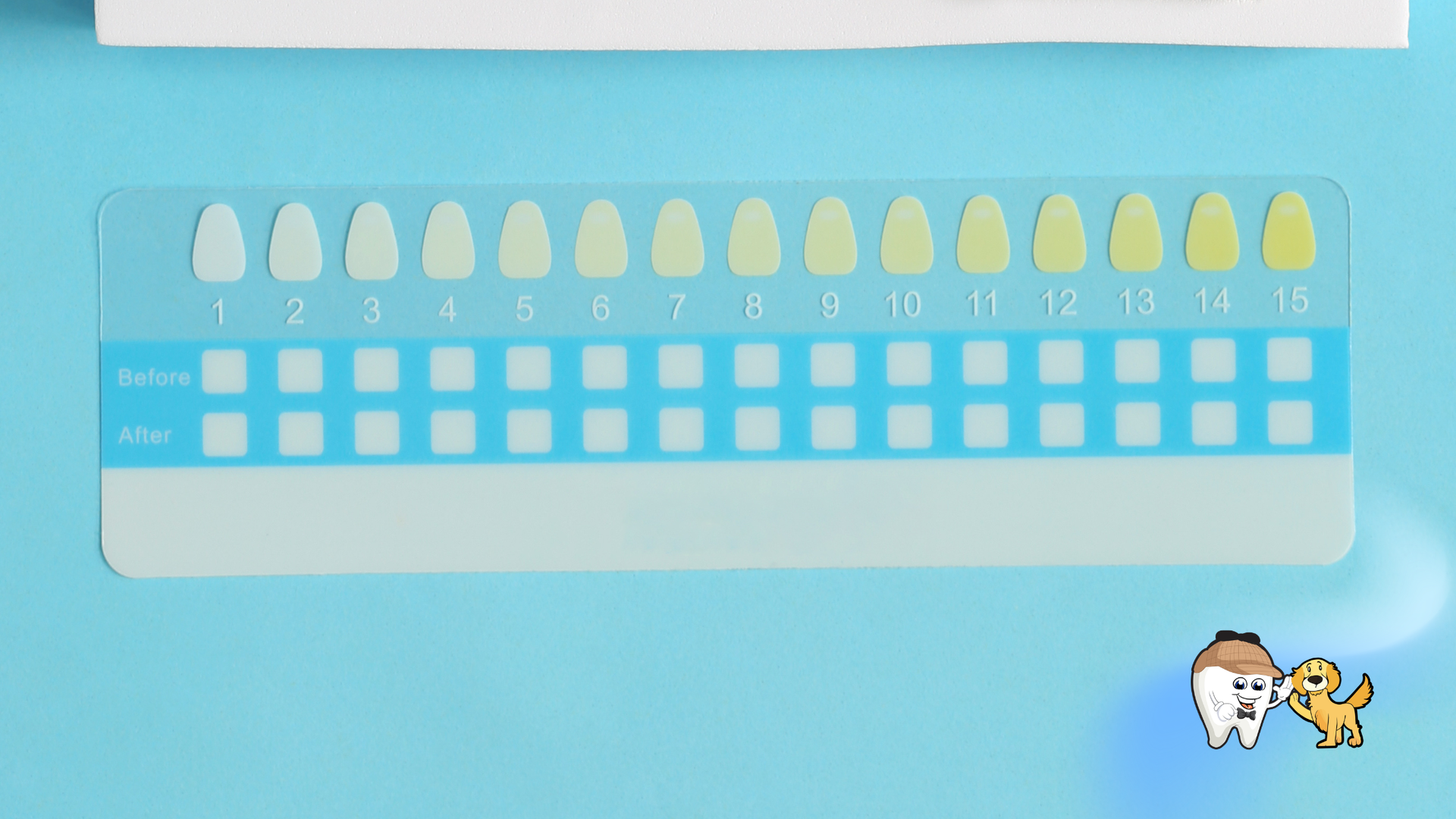
Talk with your pediatric dentist before using whitening strips, gels, or other bleaching products.
The American Academy of Pediatric Dentistry discourages cosmetic bleaching of the entire smile while children still have baby teeth or a mixture of baby and permanent teeth. Whitening decisions for older children and teenagers should be individualized and guided by a dentist.
Whitening can cause sensitivity and gum irritation. It also may not correct every cause of discoloration. For a child whose permanent teeth simply have a normal warmer shade, bleaching generally is unnecessary.
Help Your Child Feel Confident About Their Growing Smile

Children may notice the difference themselves, especially in photos or when comparing smiles with friends.
You can reassure them with a simple explanation:
“Your new teeth are a different shade because they are grown-up teeth. Healthy smiles come in different colors.”
At Cavity Detective Pediatric Dentistry, we can examine your child’s teeth, explain what you are seeing, and help you decide whether anything needs attention.
A growing smile goes through many changes. Slightly yellow permanent teeth beside bright white baby teeth are usually one normal part of that process.
Have questions about your child’s tooth color? Schedule a visit with our team.
Share This Post
Thank You For Choosing Us