Hydroxyapatite Toothpaste vs. Fluoride Toothpaste: A Complete Guide for Parents
Source: Dr. Marketing
Choosing the right toothpaste for your child is one of the most common questions parents ask. Two major options today are fluoride toothpaste and hydroxyapatite toothpaste. Both help strengthen enamel and prevent cavities, but they work in different ways.
Understanding the science behind each can help you make the best decision for your child’s smile.
Understanding Tooth Decay
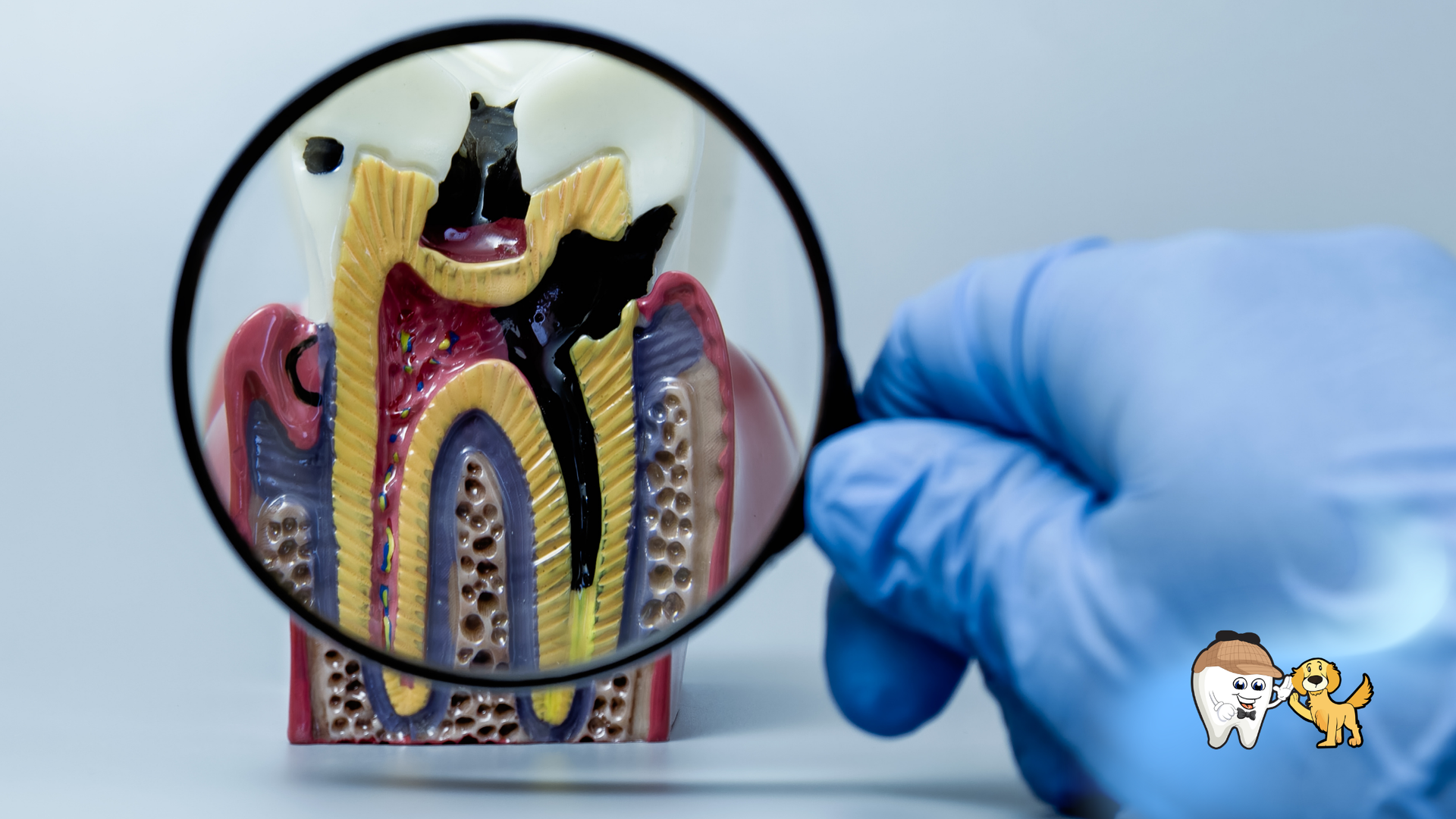
Every day, teeth go through two competing processes:
- Demineralization – Acids from bacteria pull minerals like calcium and phosphate out of enamel.
- Remineralization – Saliva and toothpaste ingredients help put those minerals back.
When demineralization wins repeatedly, cavities form. When remineralization keeps up, enamel stays strong. Both fluoride and hydroxyapatite help tip the balance toward remineralization.
Fluoride Toothpaste
Fluoride is a naturally occurring mineral that has been studied for over 70 years. How fluoride works:
- Forms fluorapatite, which is more acid-resistant than natural enamel
- Speeds up remineralization of early cavities
- Reduces cavity-causing bacteria activity
Fluoride toothpaste is endorsed by major public health organizations and remains the gold standard for cavity prevention. Safety Guidelines for Children:
- Under age 3: Use a rice-sized smear
- Ages 3–6: Use a pea-sized amount
- Supervise brushing to reduce swallowing
Mild fluorosis can occur with excessive swallowing over time, but this is cosmetic and preventable with proper use.
Hydroxyapatite Toothpaste
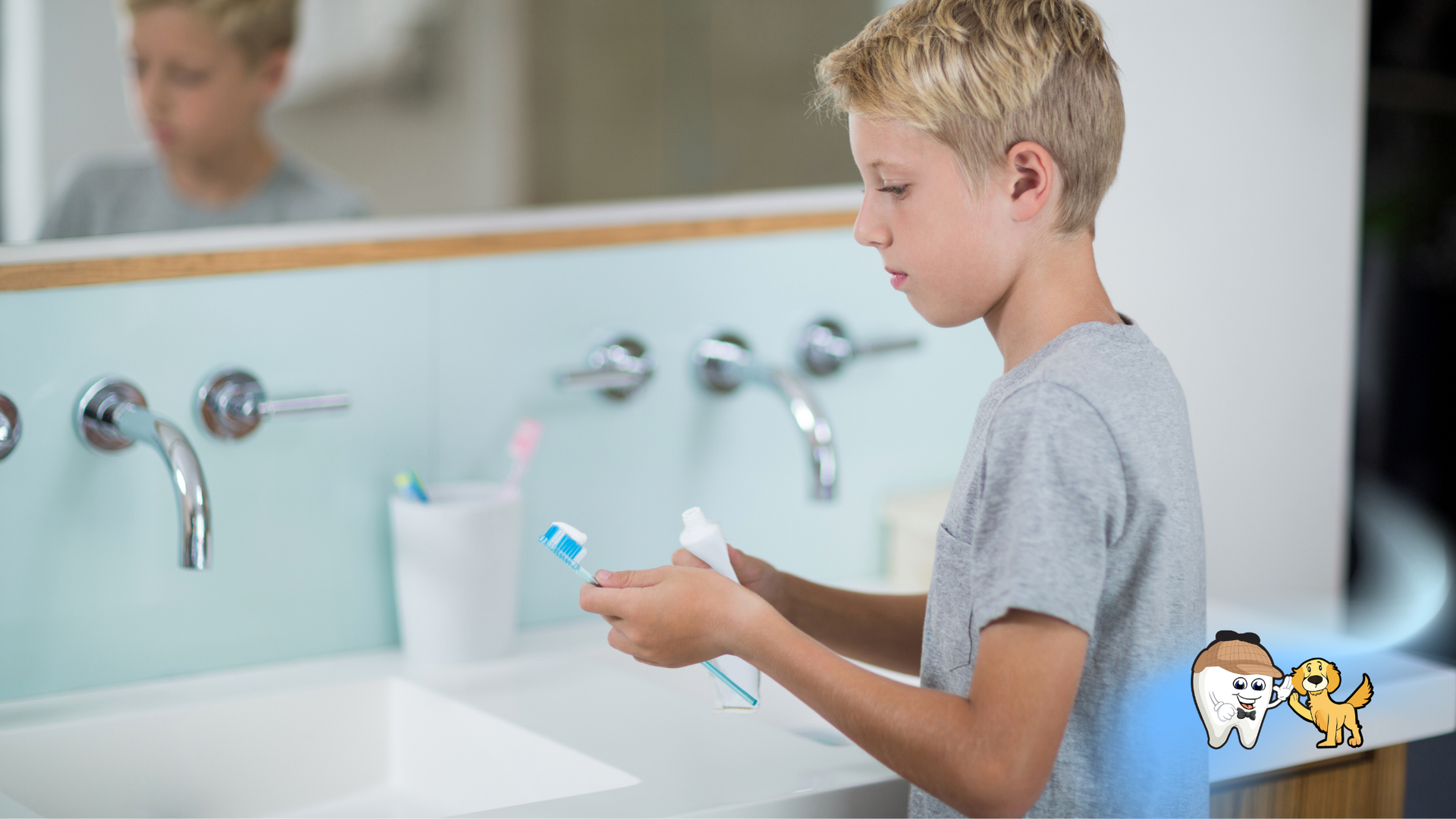
Hydroxyapatite (HAp) is the natural mineral that makes up about 97% of tooth enamel. Nano-hydroxyapatite toothpaste works by:
- Binding directly to enamel
- Filling microscopic defects
- Smoothing the tooth surface
- Reducing sensitivity by sealing exposed dentin tubules
Research shows promising results for cavity prevention, especially in low to moderate risk patients. However, long-term population-level data is more limited compared to fluoride. One advantage is that hydroxyapatite is non-toxic and safe if swallowed.
Side-by-Side Comparison
Fluoride:
- Extensive long-term research
- Strong protection against cavities
- Strengthens enamel chemically
- Small fluorosis risk if overused
Hydroxyapatite:
- Growing research base
- Physically rebuilds enamel structure
- Excellent for sensitivity
- No risk of fluorosis
What Pediatric Dentists Recommend

For children at higher risk of cavities, fluoride toothpaste remains the first-line recommendation due to its strong evidence base. Hydroxyapatite can be a reasonable alternative for:
- Families seeking fluoride-free options
- Children who frequently swallow toothpaste
- Kids with mild tooth sensitivity
Some families even use fluoride at night and hydroxyapatite in the morning.
Final Thoughts
The most important factors in cavity prevention are:
- Brushing twice daily
- Using the correct amount of toothpaste
- Limiting frequent sugar exposure
- Regular dental visits
Both fluoride and hydroxyapatite toothpastes can support a healthy smile when used properly. The best choice depends on your child’s individual cavity risk and family preferences.
Share This Post
Thank You For Choosing Us